

How to Plan a Family Beach Vacation (Step-by-Step)
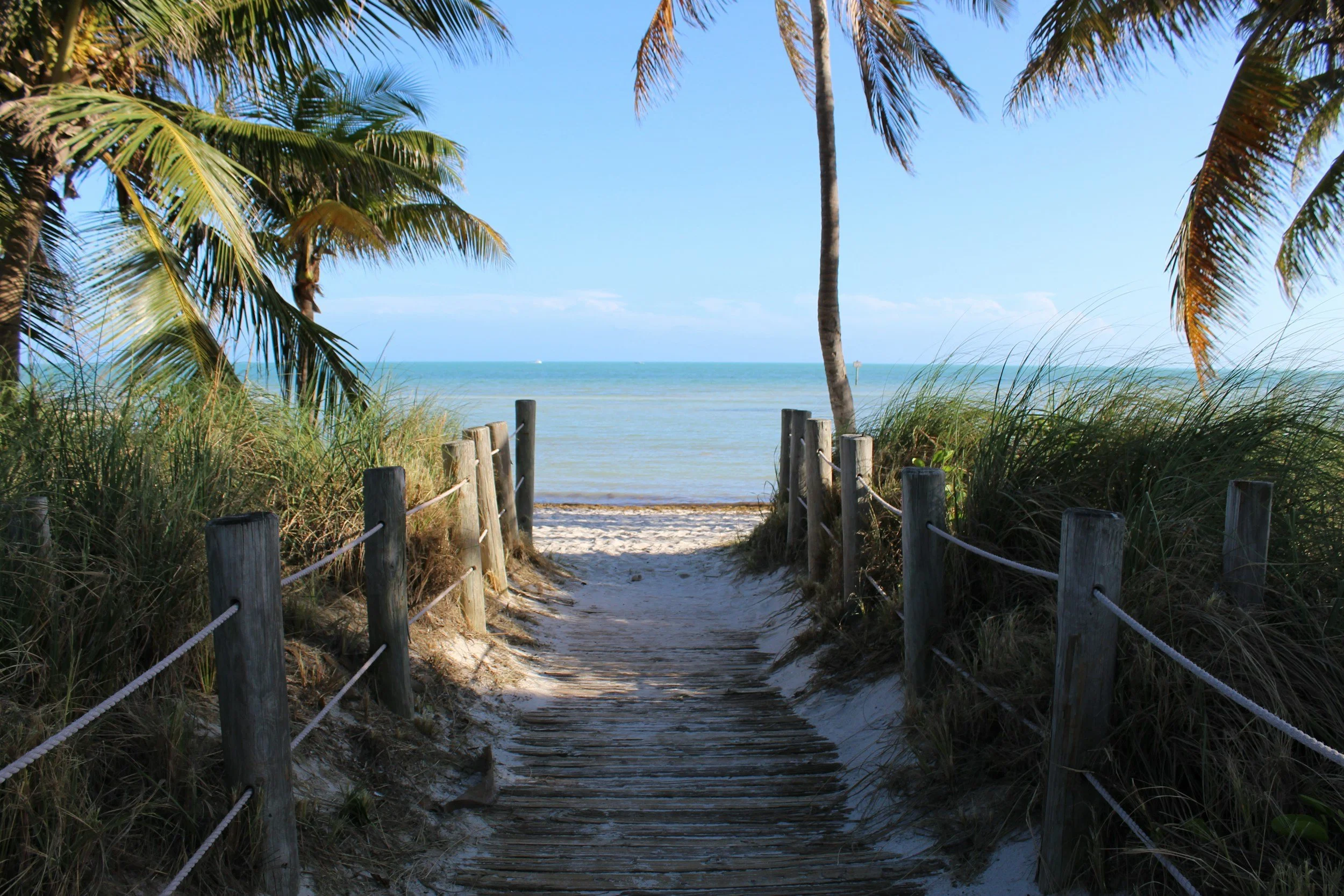
Key West, Florida
*This post may contain affiliate links, which means I may earn a small commission if you make a purchase through one of my links, at no additional cost to you. As an Amazon Associate, I earn from qualifying purchases.
There is something about a beach vacation that just sounds easy.
Pack a swimsuit. Find some sunshine. Sit by the water. Done.
And then you actually start planning one.
Which beach? Hotel or vacation rental? Do we need a rental car? Is the water warm? Are there restaurants nearby? Do I need to pack beach towels? How much sunscreen does one family realistically go through in a week?
Suddenly your simple beach vacation has turned into a research project.
The good news is that planning a family beach vacation really doesn't have to be complicated. Once you work through a few important decisions in the right order, the rest starts to fall into place.
Here’s how I plan a family beach vacation step by step.
Step 1: Decide What Kind of Beach Vacation You Want
Before you start looking at destinations, think about what you actually want the trip to feel like.
Are you picturing a quiet week where everyone spends most of the day at the beach?
Do you want a resort with pools, restaurants, and activities?
Would your family rather have a beach nearby but also plenty of other things to do?
There is no one perfect beach vacation.
Some families could happily sit on the same stretch of sand for seven days straight.
Others make it approximately 45 minutes before someone asks, “What are we doing next?”
Knowing which type of family you have makes choosing the right destination much easier.
Think about:
How much beach time you want
Whether you want sightseeing or activities too
Resort versus vacation rental
How much driving you're willing to do
Your kids' ages
How much downtime your family enjoys
Your overall budget
Start there before you fall in love with a beautiful hotel that might not actually work for your family.
And if the whole vacation-planning process already feels a little overwhelming, I walk through my entire process in How I Plan Stress-Free Trips with Kids (Step-by-Step). Breaking a trip into smaller decisions makes everything feel so much more manageable.
Step 2: Choose the Right Beach Destination
Once you know the kind of trip you want, start narrowing down destinations.
Don't choose a beach based only on the prettiest photos you find online.
I know. This is difficult.
A turquoise ocean and white sand can make me forget every practical question I had five minutes earlier.
But for a family trip, I also want to know:
How long will it take to get there?
What will the weather be like?
Is the water usually calm enough for kids?
Are there lifeguards?
Are restaurants and stores nearby?
Do we need a car?
Are there family-friendly activities nearby?
How expensive is the area?
How crowded will it be when we're traveling?
I also like to look at the actual beach, not just the destination.
Some beaches have calm, shallow water that is wonderful for younger kids. Others have stronger waves or currents that may be better for older kids and confident swimmers.
A beach can be beautiful and still not be the right beach for your family.
Step 3: Check the Weather and Water Conditions
Beach weather can vary a lot depending on the destination and time of year.
Before you book, look beyond the average temperature.
Check:
Rainy season
Hurricane or tropical storm season
Water temperature
Typical wind conditions
Humidity
Seasonal seaweed
Jellyfish or other seasonal issues
Sunrise and sunset times
This doesn't mean you need perfect weather every day.
I'm pretty sure no weather app is willing to make that kind of commitment.
But you want to understand what you're booking.
An inexpensive Caribbean vacation during hurricane season might be a great deal for one family and way too stressful for another.
Step 4: Set Your Beach Vacation Budget
Beach vacations can range from fairly inexpensive road trips to very expensive resort vacations, so set your budget before you start booking.
Include the big expenses first:
Transportation
Hotel or vacation rental
Rental car
Food
Activities
Resort or parking fees
Then think about the smaller beach-specific costs that can sneak up on you.
Things like:
Beach chair rentals
Umbrellas
Snorkel gear
Parking
Sunscreen
Coolers
Beach toys
Water activities
None of those things may seem like a huge expense on their own.
But somehow five $20 expenses become $100 very quickly.
Vacation math is fascinating.
Giving yourself a little extra room in the budget makes those expenses much less annoying when they come up.
If you're trying to figure out how much to budget for the entire vacation, not just the beach portion, I break down the major travel expenses in How Much Does a Family Vacation Really Cost? It can help you think through some of the costs that are easy to forget when you're first planning.
Step 5: Choose Where You Want to Stay
Where you stay can make a huge difference on a beach vacation.
For me, one of the biggest questions is:
How easy is it to actually get to the beach?
“Near the beach” can mean a two-minute walk.
It can also apparently mean somewhere within the same zip code.
Look carefully at the map and read recent reviews.
If your family plans to spend a lot of time at the beach, paying a little more to stay closer might be completely worth it.
Think about whether you want:
Beachfront access
A pool
A kitchen
Laundry
Separate sleeping spaces
Free breakfast
Restaurants nearby
Beach chairs or umbrellas included
A balcony
Parking
Families with younger kids may especially appreciate being close enough to easily go back to the room for naps, snacks, forgotten goggles, bathroom trips, or whatever emergency has suddenly become very important.
There are quite a few little things I look for before booking a hotel with kids, so if you're still deciding where to stay, take a look at How to Choose the Best Hotel for a Family Vacation too.
Step 6: Decide Whether You Need a Rental Car
This depends completely on the destination.
At some beach resorts, you may never need a car.
At others, not having one can make getting groceries, going to restaurants, or exploring the area much harder.
Before you automatically book one, look at:
Airport transportation
Hotel or resort shuttles
Walkability
Public transportation
Taxi or rideshare availability
Parking costs
How often you actually plan to leave the property
Sometimes skipping the rental car saves a lot of money.
Other times, having one gives your family much more freedom.
Just figure it out before you arrive rather than standing outside the airport with luggage and children trying to make a transportation plan.
Step 7: Plan a Few Activities—But Not Too Many
I don't think a beach vacation needs a packed itinerary.
That's kind of the point.
But I do like having a few things planned ahead of time, especially if we're going somewhere with activities we don't want to miss.
Depending on the destination, that could include:
Snorkeling
Boat trips
Dolphin or wildlife tours
Kayaking
Paddleboarding
Fishing
Hiking
Local markets
Mini golf
Water parks
Sightseeing
A special dinner
I usually choose a few things we really want to do and leave plenty of open time around them.
You don't want to spend your whole beach vacation telling everyone to hurry up because you're late for the next activity.
Some of the best days are the ones where the entire plan is:
Go to the beach.
That's it.
Step 8: Plan Your Beach Days Around Your Kids
If you're traveling with younger kids, don't underestimate how exhausting the beach can be.
Sun + swimming + sand + heat = very tired children.
And sometimes very tired adults.
You don't necessarily need to spend eight straight hours on the sand to have a great beach day.
You might do the beach in the morning, come back for lunch and a break, and head out again later in the afternoon.
Or spend part of the day at the beach and part at the pool.
You know your kids best.
Plan around the way your family actually functions instead of the vacation schedule you think you're supposed to have.
Step 9: Make Your Beach Packing List Early
Beach trips come with their own special category of stuff.
Besides your normal vacation clothes and toiletries, you'll probably need things like:
Swimsuits
Cover-ups
Sandals
Sunscreen
Hats
Sunglasses
Beach bags
Waterproof phone pouch
Reusable water bottles
Beach toys for younger kids
Goggles
Rash guards
After-sun lotion
And if you need help figuring out everything else the family needs to pack, my Ultimate Family Travel Packing List (By Age Group) breaks packing down for babies and toddlers, young kids, tweens, teens, and adults.
For the actual beach days, there are a few things I especially like having with us.
A waterproof phone pouch is one of my favorites because I don't want to spend the whole day deciding whether getting a picture is worth risking my phone's life.
I also love anything that makes carrying everything easier—good beach bags, reusable water bottles, simple sand toys, and sun protection that actually works for the whole family.
I've put my favorite beach vacation items together in one place if you'd rather not spend an evening scrolling through hundreds of nearly identical beach bags wondering which one deserves your money.
→ Shop My Beach Vacation Essentials on Amazon
Before you buy or pack everything, though, check what your hotel or vacation rental already provides.
If there are beach towels, chairs, umbrellas, coolers, and toys waiting for you, there is no reason to haul your entire garage across the country.
I like to make my packing list well before the trip and add things as I think of them.
Because if I wait until the night before, I will remember 97 things and somehow forget the one item everyone actually needs.
Step 10: Think About Food Ahead of Time
Food is one of those things that can make a beach vacation either really easy or surprisingly expensive.
If you're staying somewhere with a kitchen, decide whether you'll get groceries when you arrive.
Even if you're eating most meals out, having easy breakfast foods, snacks, drinks, and lunch options can save a lot of money and hassle.
Especially with kids.
Because apparently being near an ocean makes children hungry every 12 minutes.
If we know we'll be spending long stretches at the beach, I also like having an easy way to bring drinks and snacks with us. A small cooler or insulated beach bag can be much easier than constantly leaving the beach because somebody suddenly cannot survive another four minutes without a snack.
I also like to look up a few restaurants before the trip.
You don't need to schedule every meal, but knowing a handful of good options nearby saves you from standing around at 6:00 p.m. asking everyone where they want to eat while every person says, “I don't care.”
We all know they care.
Step 11: Make a Plan for Sun and Water Safety
This isn't the exciting part of beach planning, but it's important.
Pack plenty of sunscreen and remember that you'll probably use more than you think.
For younger kids, rash guards, hats, and other sun-protective clothing can make this so much easier.
→ Shop My Beach Vacation Essentials on Amazon
Anything that means I don't have to chase a child around with sunscreen quite as often is a win.
I also like to know what the water is usually like before we go and pay attention to local warnings once we're there.
Look for:
Lifeguard locations
Beach warning flags
Rip current information
Swim areas
Local wildlife warnings
And if the conditions don't look good, skip the water that day.
The beach will still be there tomorrow.
Step 12: Leave Room for the Vacation to Be a Vacation
I think this is the step that's easiest to forget.
You don't have to maximize every minute.
You don't need to visit every attraction.
You don't need to eat at every famous restaurant.
And you definitely don't need to come home more exhausted than when you left.
Plan the important things.
Make a loose itinerary.
Know where you're staying.
Bring what you need.
Then leave some room for absolutely nothing.
Maybe everyone sleeps late.
Maybe you stay at the beach longer than expected.
Maybe you skip the activity you planned because the kids are having too much fun at the pool.
That's okay.
Before you start booking every little thing, you may also want to read 5 Mistakes Families Make When Planning a Trip. Sometimes avoiding a few common planning mistakes can make the whole vacation feel a lot easier.
The Best Family Beach Vacations Are Usually the Simple Ones
You don't need a perfectly scheduled vacation to have an amazing family trip.
In fact, I think beach vacations are usually better when they're not over planned.
Choose the right destination.
Stay somewhere that makes life easier.
Plan a few things you're excited about.
Pack what you actually need.
Then slow down and enjoy being there.
And if you're still figuring out what you want to bring, you can browse my Beach Vacation Essentials on Amazon for the beach items I recommend and would actually want with me on a family trip.
Because at some point you're going to look around and realize everyone is sandy, somebody has lost a flip-flop, and there is sunscreen on absolutely everything.
And somehow, that's usually when you know you're having a pretty great beach vacation.
Happy travels!