

Family Travel Documents Checklist: What to Bring and What to Copy
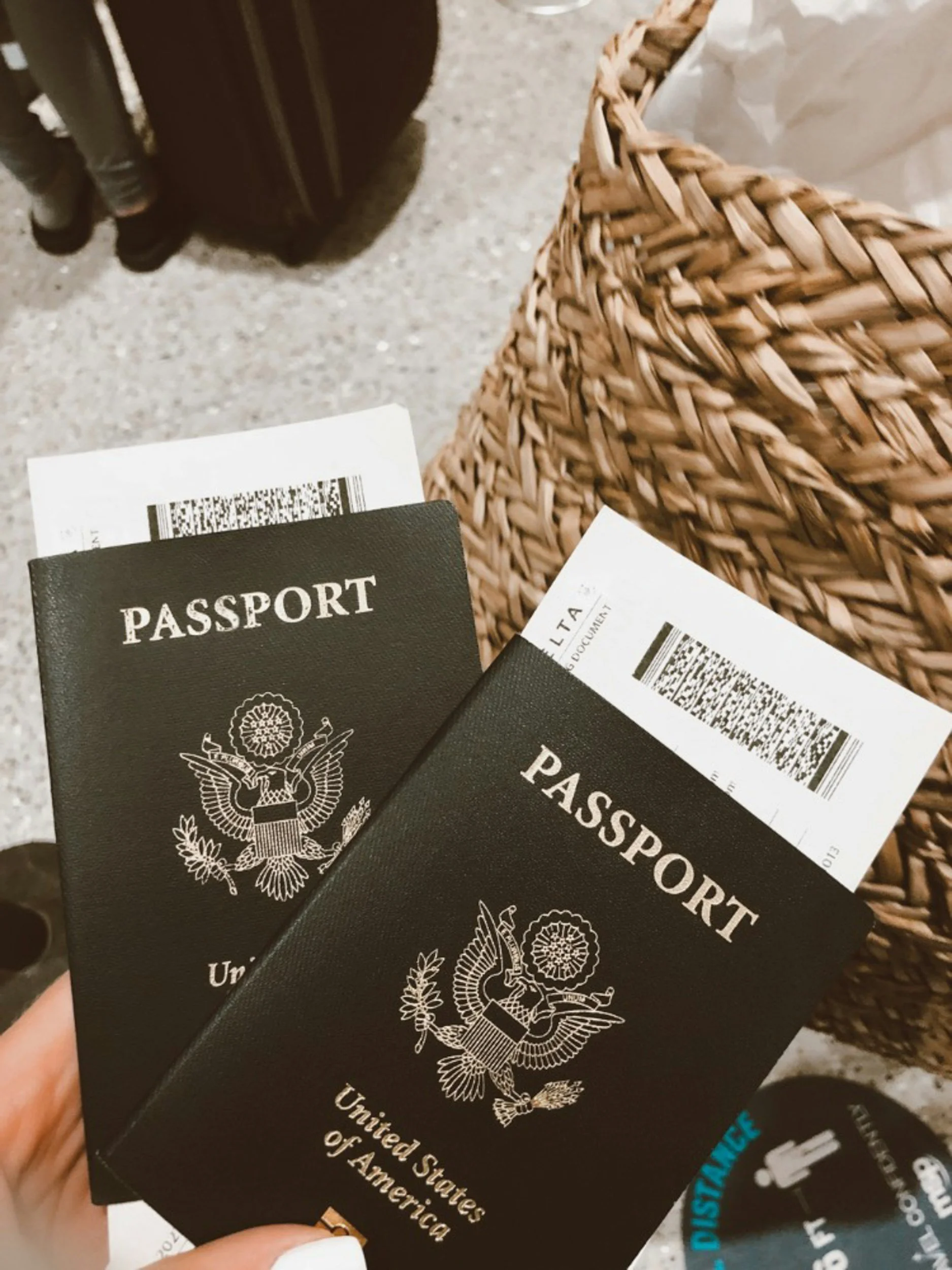
There are some parts of planning a vacation that are fun.
Choosing where to stay? Fun.
Looking at restaurants? Definitely fun.
Planning what you’re going to do? Usually fun.
Figuring out which travel documents you need, whether your kids need identification, and what you should make copies of before you leave?
Not exactly the part anyone is counting down to.
But it is one of those little travel-planning jobs that can save you a huge headache later.
The last thing you want is to get to the airport, cruise terminal, or border and suddenly realize the document you need is sitting safely at home in a drawer.
So before every trip, I like to do one quick travel-document check: What do we need to bring, and what should I have a backup copy of?
Here’s how I organize it.
Travel Document Disclaimer: Travel document, identification, passport, visa, cruise, and entry requirements can change at any time and may vary based on your destination, itinerary, age, citizenship, and travel provider. The information in this post is meant as a general planning guide and may not reflect the most current requirements. Always check official government websites, your airline, cruise line, and other travel providers for the latest requirements before your trip.
First: Check What Your Specific Trip Requires
Before you start gathering documents, check the requirements for your actual trip.
What you need for a road trip within the United States is going to be very different from what you need for a Caribbean cruise or a trip to Europe.
Requirements can also change, so this is one area where I would never rely on what you needed the last time you traveled.
Check:
Your airline
Your cruise line, if you're cruising
The official requirements for your destination
Passport expiration requirements
Visa or electronic travel authorization requirements
Any special requirements for children
It takes a few extra minutes, but I would much rather spend those minutes at home than spend them panicking at an airport counter.
What Identification Do You Need for a Domestic U.S. Flight?
If you're flying within the United States, adults 18 and older need an acceptable form of identification at the TSA checkpoint.
As of May 7, 2025, a regular state-issued driver's license or ID must be REAL ID compliant to be accepted by TSA, unless you're using another acceptable form of identification such as a passport.
This is a good one to check well before your trip rather than the night before.
Take a look at your driver's license and make sure you know whether it's REAL ID compliant. If it isn't, check TSA's current list of other acceptable IDs.
What About Kids?
Here's where parents sometimes get confused.
TSA does not require children under 18 to show identification when they're traveling within the United States. However, airlines can have their own requirements, especially in certain situations, so it's always smart to check directly with your airline.
I would especially double-check if you have an older teenager traveling alone or without a parent.
Because "I read online that we didn't need it" is not the conversation I want to be having at 5:30 in the morning at the airport.
What Documents Do You Need for International Travel?
International trips require a little more planning.
Start with passports for everyone who needs one — and yes, that includes the kids.
Don't just check that everyone has a passport. Check the expiration dates too.
Passports issued to children under age 16 are only valid for five years, which means their expiration dates seem to sneak up much faster than adult passports. Some countries also require your passport to remain valid for a certain amount of time beyond your travel dates, sometimes as long as six months.
So when you're starting to plan an international trip, one of the very first things I would do is pull out everyone's passports and check them.
Not three days before you leave.
Not while you're packing.
When you start planning the trip.
You should also check whether your destination requires:
A visa
An electronic travel authorization
Specific entry or exit documents
Additional documentation for minors
These requirements vary by country, so always check the current requirements for your destination.
Traveling Internationally With Kids? Bring Proof of Your Relationship
This is one of those things I think is easy for families to overlook.
The U.S. Department of State recommends bringing a copy of each child's birth certificate or other documentation showing your legal relationship when traveling internationally with minors.
So even though you may not need to pull it out at any point during your trip, it's something I would have with me.
If your last name is different from your child's, or there are custody arrangements involved, you may need additional documentation depending on where you're traveling.
Again, this is one of those situations where it is much better to have the document and never need it than to need it and realize it is sitting in your filing cabinet 2,000 miles away.
What If Only One Parent Is Traveling With the Kids?
If a child is traveling internationally with only one parent — or with grandparents, relatives, friends, a school group, or another adult — there may be additional requirements.
Some countries require a signed or notarized consent letter from the parent who isn't traveling. If a parent has sole legal custody, documentation showing that may also be required. The rules vary depending on the country.
So if both parents aren't traveling, add this to your planning list early.
Don't assume that because the United States doesn't require a particular consent document, another country won't.
Check the entry and exit requirements for every country on your itinerary.
What About Cruises?
Cruise documents deserve their own section because cruise requirements can get a little confusing.
For certain closed-loop cruises — cruises that begin and end at the same U.S. port — U.S. citizens may be able to travel using proof of citizenship and government-issued identification instead of a passport.
But that does not mean you should assume you don't need a passport for every closed-loop cruise.
Your cruise line or one of the countries you're visiting may have additional requirements. U.S. Customs and Border Protection recommends checking both the cruise line and the requirements for the destinations on your itinerary. The State Department also recommends having a passport book in case an emergency requires you to fly home from a foreign port.
This is absolutely something I would verify before booking if anyone in your family doesn't have a passport.
Cruise document rules are not where we want surprises.
Don't Forget Health and Medication Information
These might not technically be the documents that get you onto an airplane, but I still keep them with our important travel information.
Depending on the trip, I like to have:
Health insurance information
Travel insurance policy information
Prescription information
A list of important medications
Any important medical information someone might need in an emergency
For international travel, it's especially important to check whether the medications you're bringing are allowed in your destination. Some medications that are perfectly legal in the United States may be restricted elsewhere.
The State Department recommends checking your destination's rules and bringing copies of prescriptions along with medications in their labeled containers.
Again, not the glamorous side of travel.
But neither is trying to explain your prescription to someone in another country while desperately scrolling through your pharmacy app.
Keep Your Important Reservations Together Too
I also consider major reservation information part of my travel-document system.
You probably won't need printed copies of everything, but I want important information somewhere I can get to it quickly.
That includes things like:
Flight information
Hotel or vacation rental confirmation
Cruise reservation
Rental car reservation
Travel insurance policy
Major activity or tour reservations
Airport transportation
Important addresses
Emergency contact information
Most of this can stay digital.
But I always think about one question:
What would I want access to if my phone died or I couldn't get online?
Because phones are wonderful right up until they have 2% battery and absolutely no service.
Anything I would truly need in that situation gets saved somewhere I can access offline or printed as a backup.
What Travel Documents Should You Make Copies Of?
This is the other half of the system.
You have your originals.
Now think about what would be difficult to replace if it were lost or stolen.
For an international trip, I would make backup copies of things like:
Passports
Driver's licenses or other important IDs
Kids' birth certificates or relationship documents you're carrying
Visas or entry documents
Travel insurance information
Important prescription information
Consent or custody documents, when applicable
The U.S. Department of State recommends making multiple copies of important travel documents, keeping one set separate from the originals, leaving a set with a trusted friend or family member, and keeping photos of your documents accessible to you.
I especially like the idea of keeping your backup separate from your original.
Putting your passport and the only copy of your passport together in the exact same bag slightly defeats the purpose.
If the bag disappears, congratulations — you've lost both.
Where Should You Keep Your Copies?
You don't need to carry around a giant three-ring binder labeled IMPORTANT FAMILY DOCUMENTS everywhere you go.
Keep it simple.
I like having a combination of physical and digital backups.
For example:
Originals stay secure and with you when required.
A physical copy can go somewhere separate from the originals.
Important digital copies can be stored somewhere secure that you can access while traveling.
A trusted person at home can have a backup of the most important information.
The goal isn't to create more paperwork.
The goal is to make sure that if something goes wrong, you aren't starting from zero.
Do One Final Document Check Before You Leave
A few days before your trip, gather everything together and do one final check.
I would look at:
Everyone's passport or required ID
Passport expiration dates
Required visas or travel authorizations
Kids' travel documents
Consent letters or custody paperwork, if needed
Health and travel insurance information
Prescription information
Reservation confirmations
Backup copies
Then put the documents you'll actually need while traveling somewhere secure and easy for you to access.
Notice I said you.
Probably not the bottom of your child's backpack underneath six granola bar wrappers, a hoodie, and whatever random rock they decided needed to come on vacation.
A Little Organization Goes a Long Way
Travel documents aren't the most exciting part of planning a family vacation, but getting them organized ahead of time gives me one less thing to worry about when we're leaving.
I know what we need.
I know where it is.
And I know I have a backup if something happens.
That's really the goal.
You don't need to print every email you've received since booking your vacation or carry around a folder thick enough to qualify as its own personal item.
You just need the right documents, a few smart backups, and a system you can actually keep track of.
And because there are enough little things to remember when you're getting a family ready for a trip, I put everything into a simple Family Travel Documents Checklist you can use before you leave.
Because remembering the passports is important.
Remembering where you put the passports might be even more important. 😂