

Types of Cruises: Which Cruise Style Is Right for You?
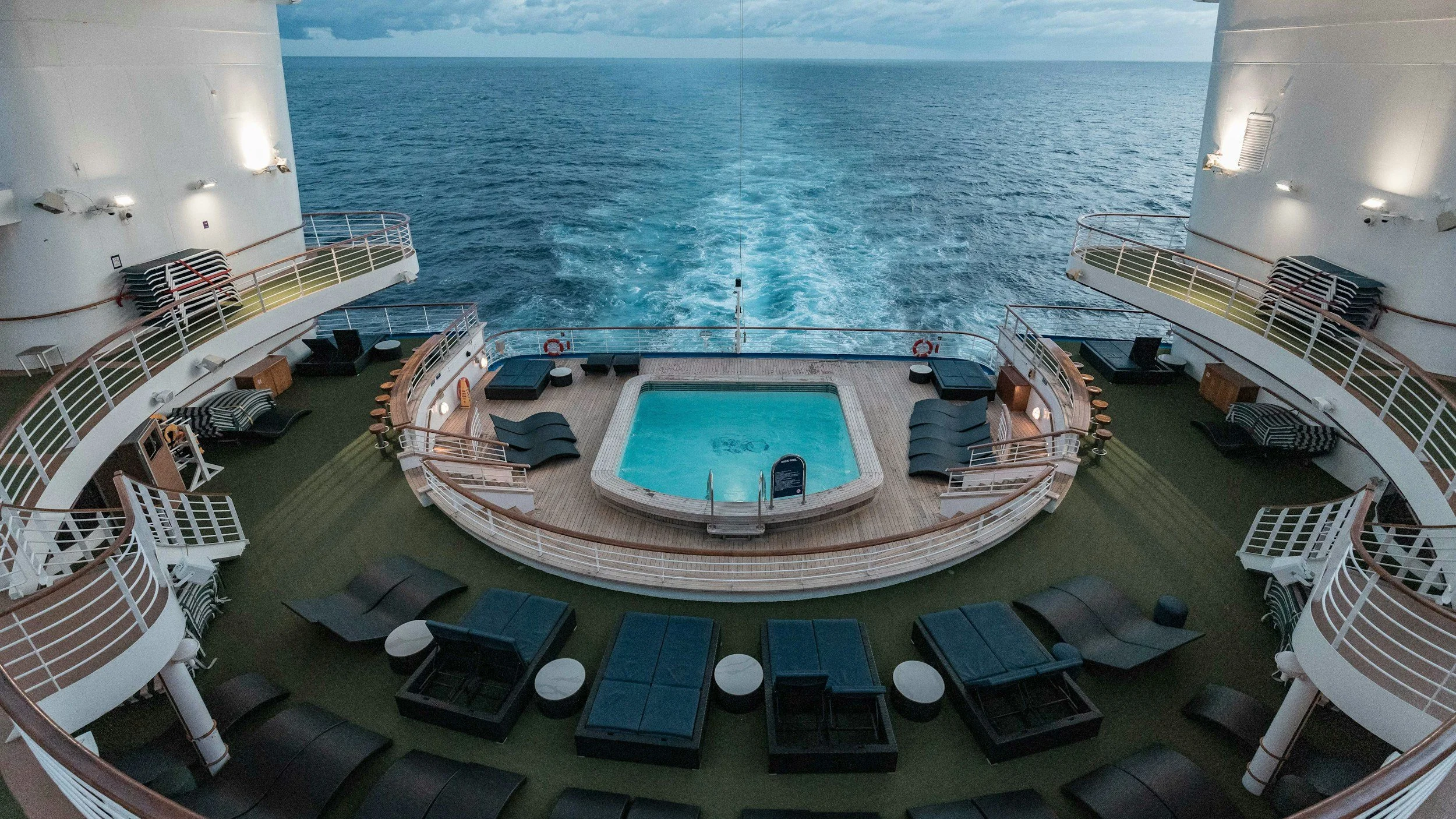
Caribbean Sea
*This post may contain affiliate links, which means I may earn a small commission if you make a purchase through one of my links, at no additional cost to you. As an Amazon Associate, I earn from qualifying purchases.
When people hear the word “cruise,” they often picture a huge ship in the Caribbean.
That is one kind of cruise.
But cruising can look completely different depending on where you go, how big the ship is, what is included, and what kind of experience you actually want.
You can spend your days on a giant ship with water slides and Broadway-style shows, sail through Europe on a river, explore remote destinations on an expedition ship, or choose a smaller, quieter cruise where the destination is the main focus.
The best cruise really depends on what kind of traveler you are.
Here are the main types of cruises and what makes each one different.
Ocean Cruises
Ocean cruises are what most people picture when they think of cruising.
These ships can range from fairly small to enormous, and they usually visit multiple ports while offering plenty to do onboard.
Depending on the cruise line and ship, you might find:
Pools
Water slides
Shows
Casinos
Kids clubs
Spas
Fitness centers
Specialty restaurants
Live music
Sports courts
Adult-only areas
Shopping
Nightlife
Ocean cruises are a good fit if you want the ship itself to be a big part of the vacation.
They also offer one of the widest ranges of options when it comes to price, itinerary, cabin type, and overall atmosphere.
You can find ocean cruises that are lively and activity-heavy, relaxed and upscale, family-focused, or more adult-oriented.
River Cruises
River cruises are a completely different experience.
Instead of sailing across open ocean, you travel along rivers and often dock right in the middle of cities and towns.
Europe is probably the destination most people associate with river cruising, but you can also find river cruises in places like Egypt, Asia, South America, and the United States.
River ships are much smaller than most ocean cruise ships.
That means:
Fewer passengers
Fewer onboard activities
More destination-focused days
Smaller cabins in many cases
A quieter atmosphere
Easy access to cities and towns
River cruises are often about the places you are visiting rather than the ship itself.
You may wake up in one town, spend the day exploring, have dinner onboard, and wake up somewhere completely different the next morning.
They can be a great fit if you enjoy history, food, culture, architecture, wine regions, or simply seeing a lot without constantly packing and unpacking.
One thing to keep in mind: river cruises are usually not designed around big pools, kids clubs, or nonstop entertainment.
Some river cruise companies do offer family sailings, but the experience is generally more relaxed and destination-focused.
Expedition Cruises
Expedition cruises are for travelers who want adventure more than traditional cruise entertainment.
These ships are usually smaller and designed to visit places that larger cruise ships cannot easily access.
Common expedition destinations include:
Antarctica
The Arctic
Galápagos Islands
Alaska
Iceland
Greenland
Remote areas of South America
Smaller islands and wildlife destinations
Instead of spending the day by the pool, you may be taking a Zodiac boat to shore, hiking, kayaking, wildlife watching, or listening to guides and naturalists.
The ship is still important, but the destination is really the reason you are there.
Expedition cruises can be incredible, but they are usually more expensive than traditional cruises.
They also tend to attract travelers who are comfortable with changing plans, because weather and wildlife can affect the itinerary.
Small-Ship Cruises
Small-ship cruising sits somewhere between traditional ocean cruising and expedition cruising.
These ships carry fewer passengers and can often visit smaller ports that big ships cannot access.
The atmosphere is usually quieter and more personal.
You may find:
Fewer crowds
Smaller ports
More personalized service
A relaxed pace
More destination-focused itineraries
Fewer large-scale attractions onboard
If the idea of sharing a ship with several thousand people does not sound appealing, a smaller ship may be a much better fit.
The tradeoff is that you usually will not have the same number of restaurants, shows, pools, or activities you would find on a large ship.
Luxury Cruises
Luxury cruises are designed around service, food, comfort, and a more inclusive experience.
They are often on smaller ships and may include things that cost extra on mainstream cruise lines.
Depending on the cruise line, that might include:
Drinks
Wi-Fi
Specialty dining
Gratuities
Shore excursions
Transfers
Premium dining
More personalized service
The atmosphere is usually quieter and more refined.
Luxury cruises are a good fit for travelers who care more about service and comfort than water slides, huge entertainment venues, or a packed activity schedule.
They can also be appealing if you prefer knowing more of the trip cost upfront instead of adding extras throughout the cruise.
Family-Focused Cruises
Some cruise lines and ships are built with families in mind.
That does not mean adults will not enjoy them.
It simply means there is usually a lot available for different ages.
You may find:
Kids clubs
Teen spaces
Water slides
Splash areas
Family entertainment
Character experiences
Sports
Casual food options
Family-friendly cabin layouts
These ships can be a great choice for multigenerational trips too, because everyone can find something to do during the day and then come back together for dinner or shows.
If you are cruising with kids, I would still look at the specific ship rather than just the cruise line.
Two ships from the same company can offer very different experiences.
Adults-Only Cruises
Adults-only cruises have become much more popular.
These cruises are designed for travelers who want a child-free environment without necessarily choosing a traditional luxury line.
They may have:
More nightlife
Adult-focused entertainment
Trendier restaurants
Wellness activities
Social spaces
Quieter pool areas
A more relaxed atmosphere
They can work well for couples, friend trips, honeymoons, anniversaries, or anyone who simply prefers an adults-only environment.
Themed Cruises
Themed cruises take a traditional cruise and build part of the experience around a specific interest.
These can include:
Music
Food and wine
Wellness
Holiday cruises
Disney
Sports
Fitness
Faith-based cruises
Special interest groups
Some themed cruises take over an entire ship.
Others are smaller groups traveling together on a regular sailing.
These can be a lot of fun if the theme is something you already love.
But I would still make sure you like the ship and itinerary too.
Repositioning Cruises
Repositioning cruises happen when cruise lines move ships from one region to another for a new season.
For example, a ship may move from Europe to the Caribbean in the fall.
These cruises often have:
More sea days
Longer itineraries
Fewer traditional port stops
Lower prices per day
They can be a great value if you enjoy sea days and have the flexibility for a longer trip.
They are not always ideal if you want a port-heavy itinerary.
Transatlantic and Transpacific Cruises
These are longer ocean crossings between continents.
A transatlantic cruise might travel between Europe and North America.
A transpacific cruise may connect North America with Asia, Australia, or the South Pacific.
These cruises usually have several sea days in a row.
They are a great fit if you enjoy the ship and want a slower travel experience.
They are probably not the best choice if you get restless after one sea day.
World Cruises and Long Voyages
World cruises can last for months and visit dozens of countries.
You can also find shorter segments if you do not want to commit to the full journey.
These trips are less about a quick vacation and more about extended travel.
They usually appeal to travelers with flexible schedules and a bigger travel budget.
Which Type of Cruise Is Right for You?
I would start by asking what you actually want from the trip.
If you want lots of entertainment and things to do onboard, look at a larger ocean cruise.
If you care most about cities, culture, and sightseeing, a river cruise may be a better fit.
If wildlife and remote destinations are the priority, look at expedition cruising.
If you want quieter ships and smaller ports, consider a small-ship cruise.
If service, food, and a more inclusive experience matter most, luxury cruising may be worth exploring.
If you are traveling with children or a multigenerational group, a family-focused ship may make the trip much easier.
And if you want a child-free getaway, adults-only cruising gives you another option.
Do Not Choose Based on Cruise Line Alone
This is one of the biggest things I tell people when they start looking at cruises.
The cruise line matters.
But so do:
The specific ship
The itinerary
The length of the cruise
The departure port
The cabin
What is included
The overall atmosphere
One cruise line can have ships that feel completely different from each other.
That is why I always recommend looking at the whole trip instead of deciding based on a cruise line name alone.
A Cruise Agent Can Help Narrow It Down
If all of these options make cruising feel even more confusing, this is exactly where working with a cruise agent can help.
I can help you compare different cruise styles, ships, itineraries, and cabins based on the kind of trip you actually want.
Some clients come to me knowing exactly which cruise line they want.
Others just know they want to go somewhere warm.
Both are completely fine.
The goal is not to put everyone on the same kind of cruise.
It is to find the one that fits you.
Keep Your Cruise Planning Organized
Once you start comparing cruises, there can be a lot of information to keep straight.
Dates, ships, cabins, flights, hotels, excursions, budgets, and reservation details can add up quickly.
That is one reason I created the Wander With Ease Travel Planner.
It gives you one place to keep your trip details organized instead of having everything scattered across emails, screenshots, and notes.
And once you book, you can also browse my Amazon Cruise List for the cruise items I actually find useful.
One Last Thing
There is no single best type of cruise.
Some people love huge ships with endless activities.
Others would be miserable on one.
Some travelers want a quiet river cruise through Europe.
Others want to wake up in Antarctica.
That is what makes cruising so interesting.
There are enough different styles that you can find something that fits the way you actually like to travel instead of trying to make yourself fit the cruise.